
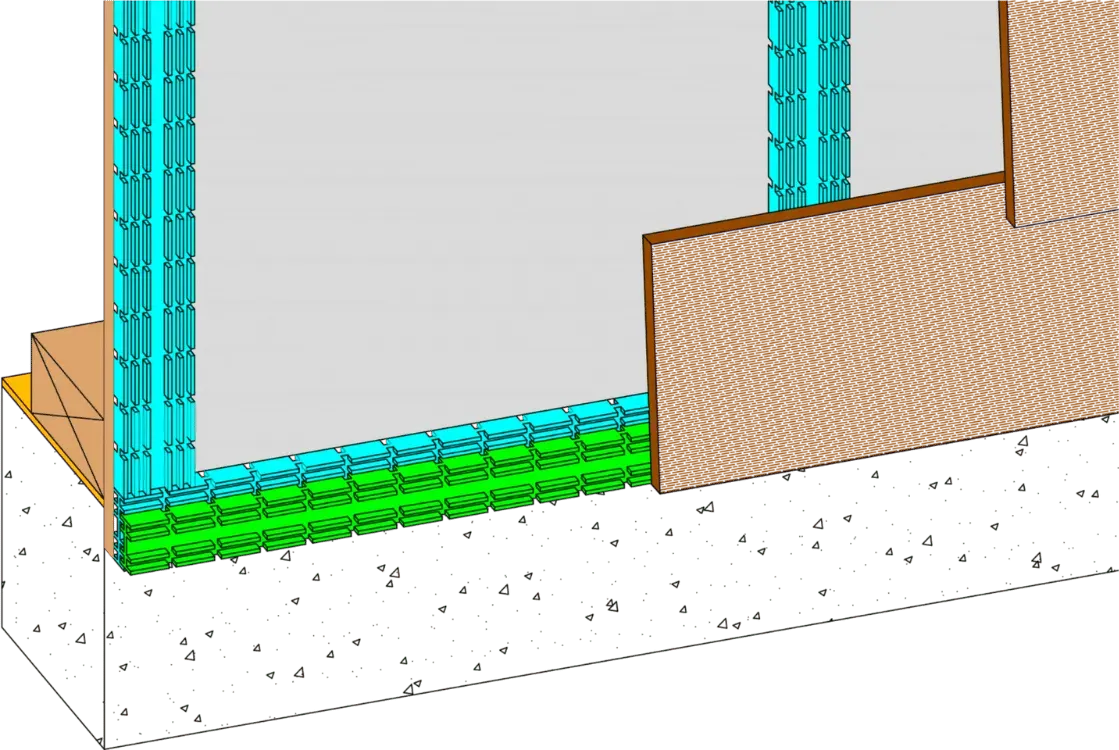
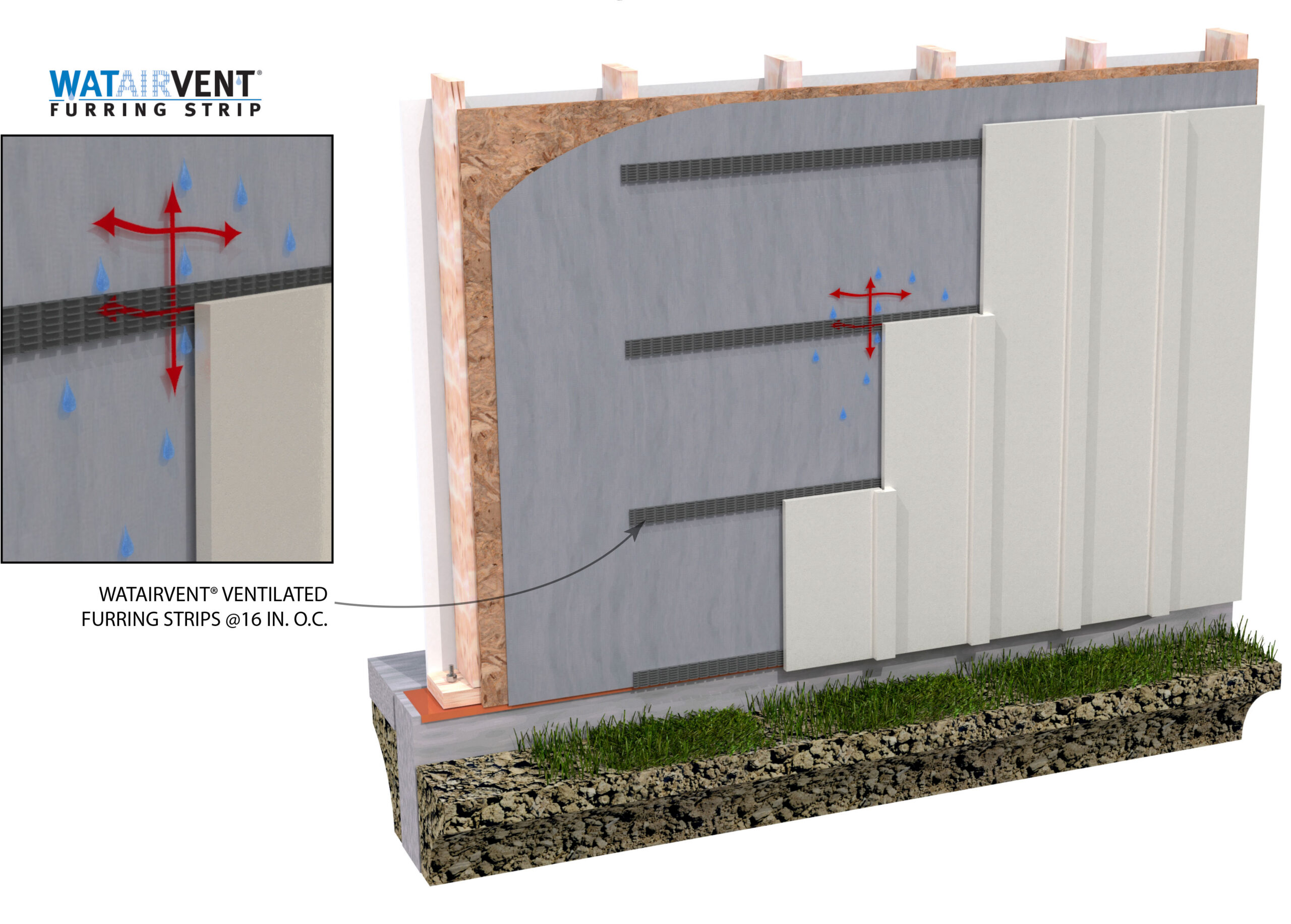
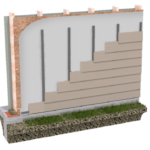
Advanced Building Products has taken the traditional furring strip and redesigned it to function in today’s building environment.
Patent 2138.38A – US 10,914,077 | 2138.38-1 – CA 2983319
When building with clapboard siding, a wooden batten or furring strip is often used to create a capillary break. However, there are issues with the design and material used in wood furring strips:
- Wood is an absorptive material, which can lead to rotting and provides a food source for mold.
- The surface area of the wood furring strips covers a significant surface area of the wall, which creates opportunities for trapped moisture.
- The surface area contact between the furring strip and backside of the cladding can allow ghosting on the outside of the cladding and minimize cross ventilation.
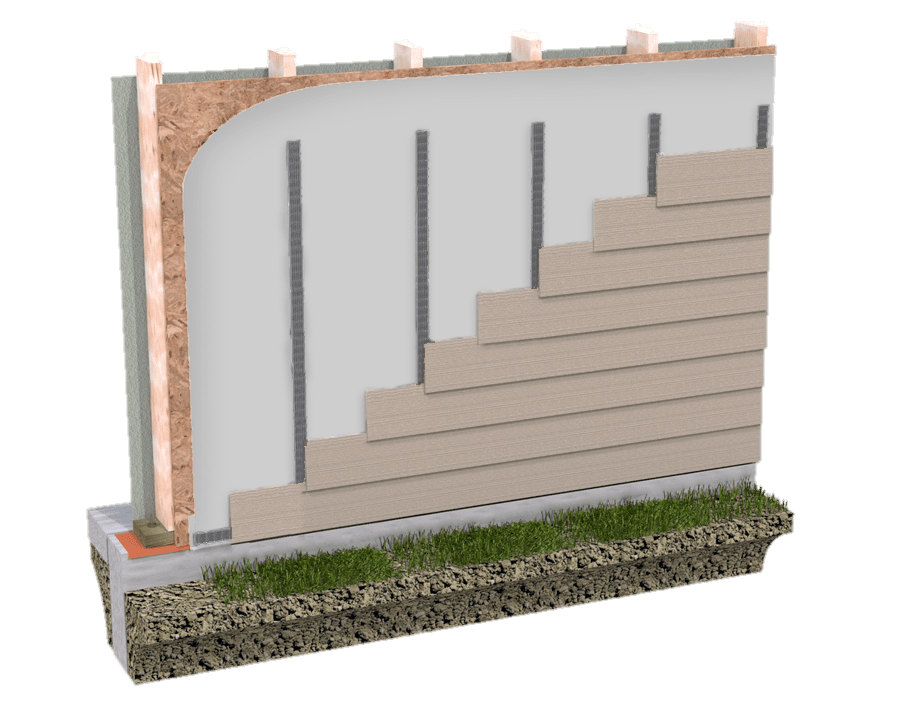
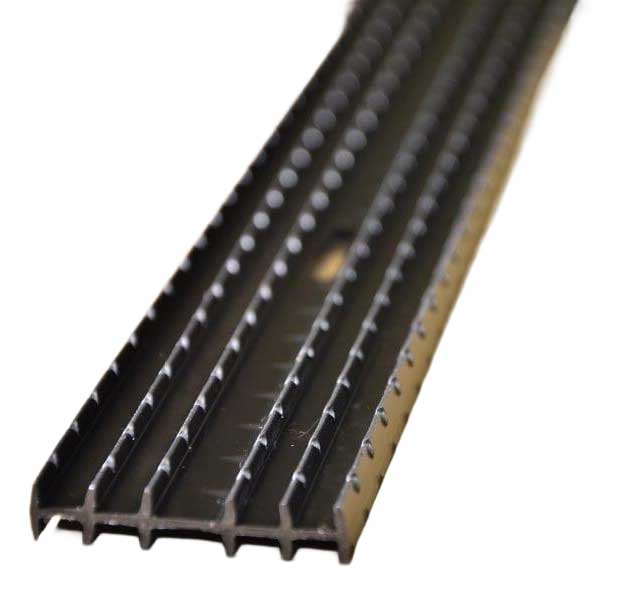
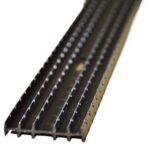
Core Design of Watairvent® Furring Strips
- Solid core for structural stability.
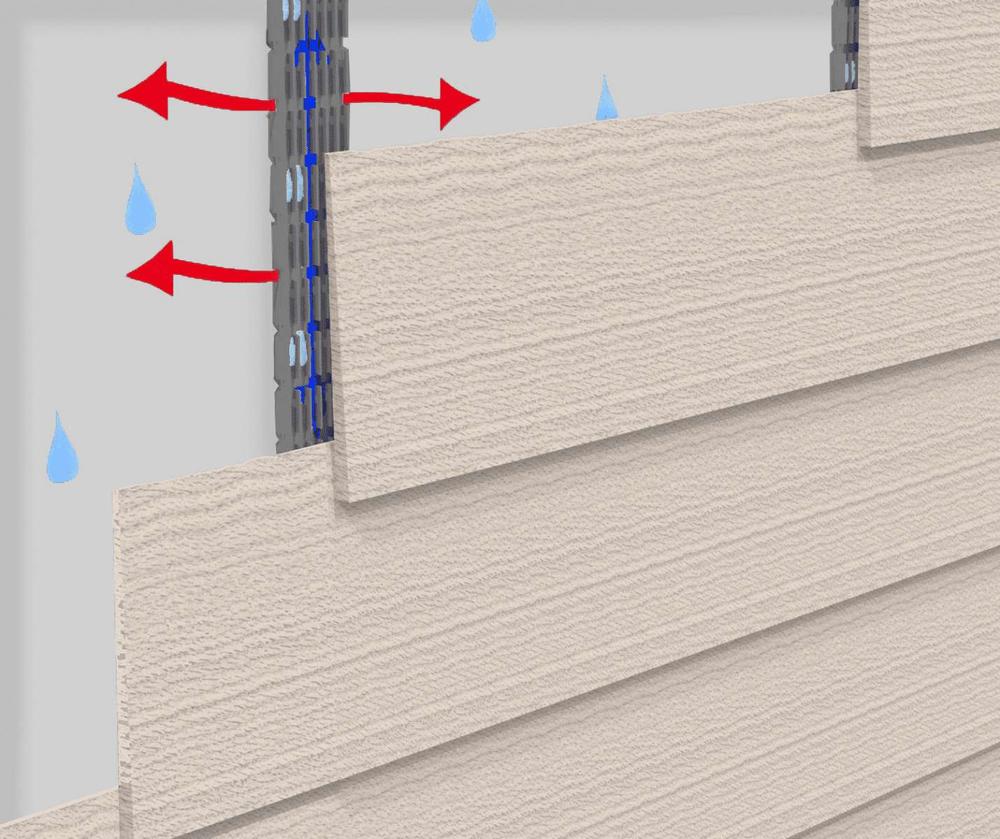
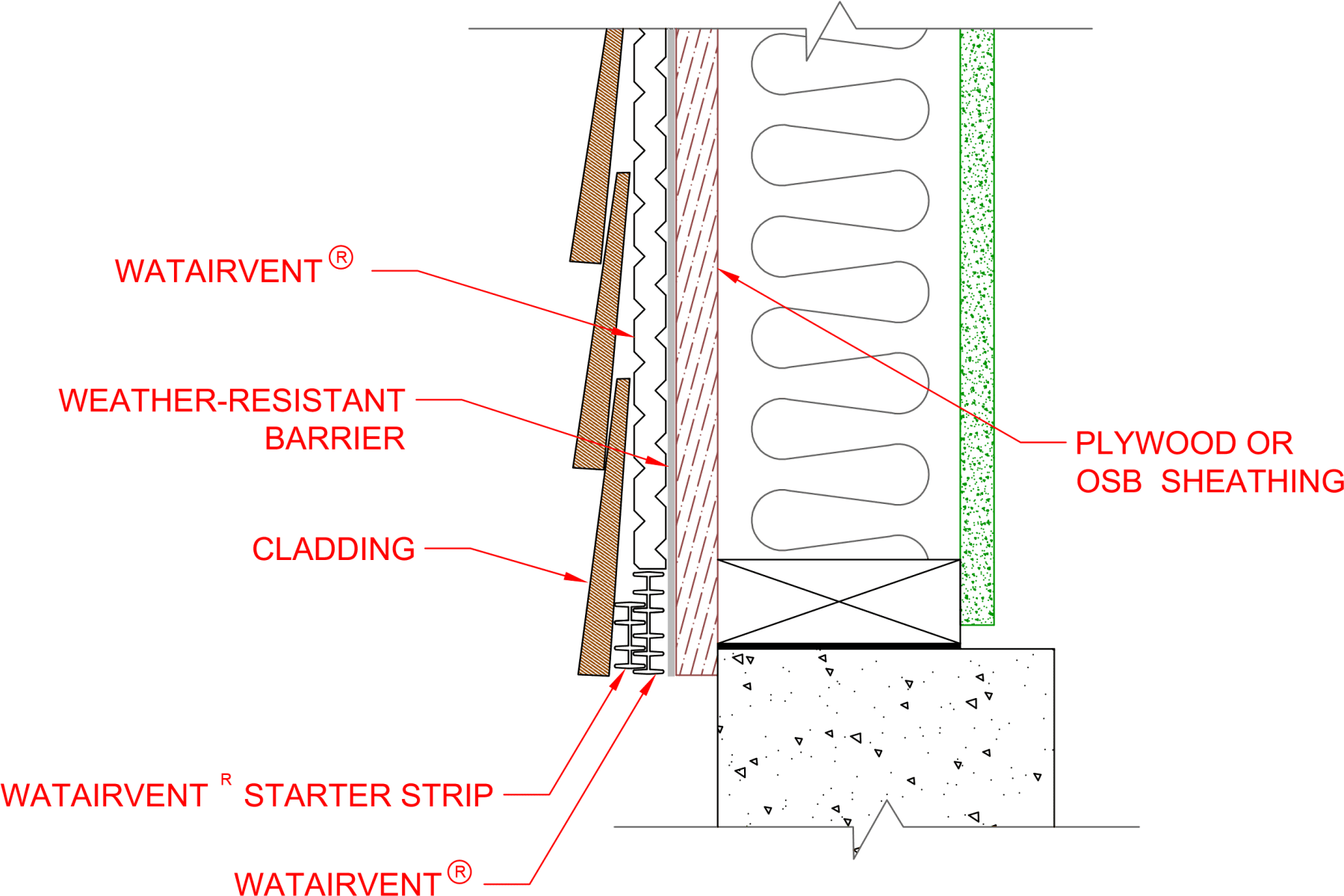
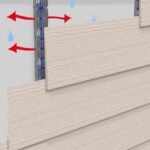
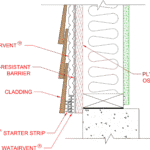
- Vertical channels for proper drainage and ventilation from the backside of the cladding to the front side of sheathing.
- Horizontal channels allow for cross ventilation.
Benefits
- Helps increase the longevity of wall sheathing and framing by allowing moisture to Drain, Not Remain™.
- Manufactured from a mold-resistant and non-absorptive composite material.
- Dual-channel design reduces surface area contact by 86% when compared to traditional wooden furring strips.
- Black in color with UV inhibitors used for open cladding applications.
- Will not become brittle and crack during cold weather installations.
- Lightweight and easy to install.
- Can also be used as a starter strip.
- Meets the National Building Code of Canada capillary break requirements for high-moisture index.
- Manufactured with fastening slots to allow differential movement during installation.
- Meets or exceeds applicable U.S. Building Codes.
- Tested to ASTM E2925.
For Watairvent® Furring Strips LEED Sheet - Call 800-252-2306

Installation over 1/2″ OSB or plywood intended for clapboard siding
- Install your weather resistant barrier (WRB) of choice over the surface area of the sheathing. Be sure to tape all seams.
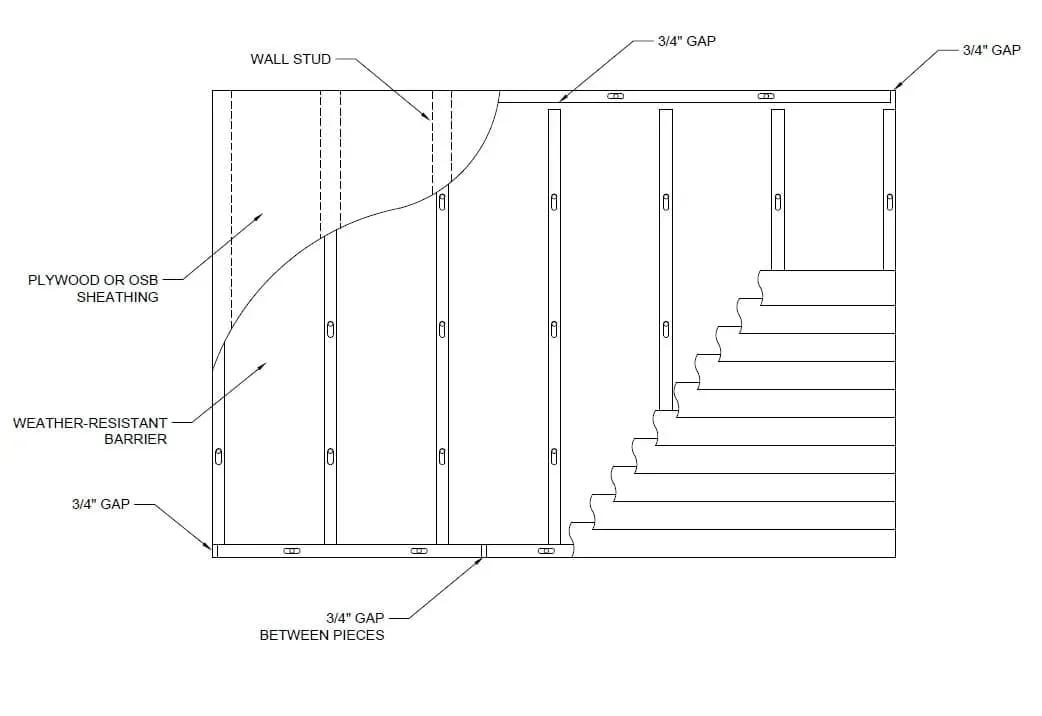
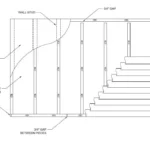
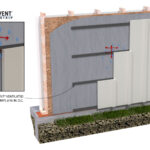
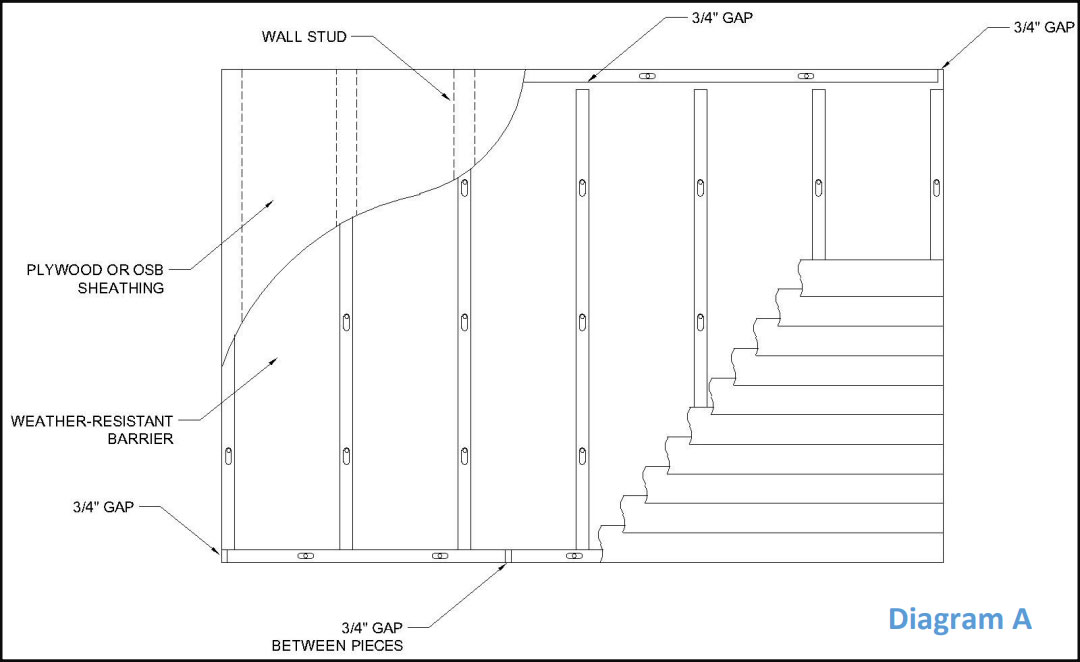
- Place Watairvent® Furring Strip horizontally at the base of the wall around the entire perimeter (Diagram A, below) to prevent bugs from entering the channel.
- Place the Watairvent® Furring Strips vertically every sixteen inches on center aligned with the wood studs (Diagram A, below). Fasten the Furring Strip with either a 1.75″ nail or other approved fastener. It is important to penetrate the studs by at least a 1 1/4″. Per R703.15.2 of 2018 Intl. Residential Code. Can be installed horizontally as well.
Installation over 1″ insulation intended for clapboard siding
- Place the WRB of choice between the sheathing and rigid foam insulation. A drainable WRB is preferred.
- Place Watairvent® Furring Strips horizontally at the base of the wall around the entire perimeter to prevent bugs from entering the channel (Diagram A, below).
- Place the Watairvent® Furring Strips vertically every sixteen inches on center aligned with the wood studs. Be sure your fastener length accounts for the entire depth of the assembly. Follow siding manufacturers installation instructions. Can be installed horizontally as well.
Installation at Windows and Trim
- Flash window per manufacturers recommendations.
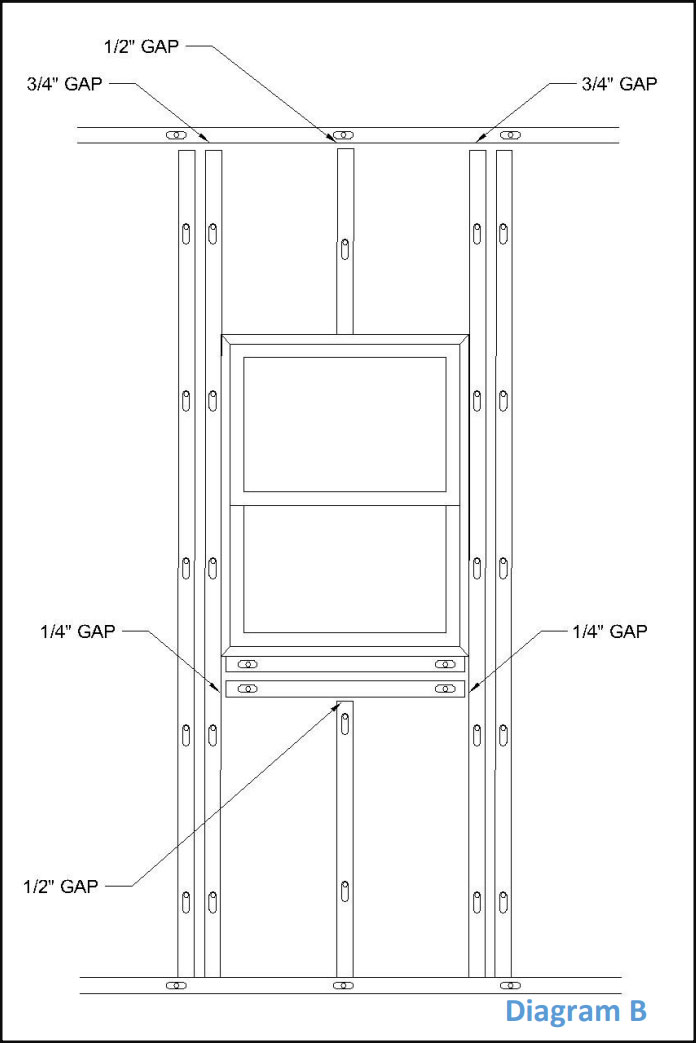
- Additional Watairvent® Furring Strips should be installed behind vertical window trim and corner trim.
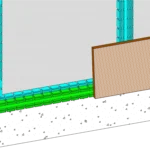
- Watairvent® Furring Strips should be installed directly up against the windows nailing flange (Diagram B, below).
- Leave necessary gaps for differential movement. (Diagram B, below).
- Trim windows and doors per manufacturers recommendations.
Installation at top of the wall
- Watairvent® Furring Strip can be installed horizontally at the top of the wall. Similar to the base of the wall whereas the furring strip will act as the bug screen and the airflow channels will remain free of debris.
- Leave a .75″ gap between vertical and horizontal furring strips to allow for differential movement (Diagram A, below).
Siding Installation
- Install all wood clapboards and cedar shakes per siding manufacturers recommendations.
Cutting Instructions
- Use a plywood blade installed backwards (often used for cutting vinyl siding) or cutting shears for best results.
| Batten / Furring Strips | Material | Thickness | Piece Size | Pieces Per Box | Boxes Per Pallet |
|---|---|---|---|---|---|
| Watairvent® Furring Strips – Black (For Open Joint Cladding) | Polypropylene Plastic | .375” | 1.75” X 8’ | 50 (400 lineal feet) | 36 |